What We Found Last Summer
Company Pick — reviewed by BooksGoSocial
Short review
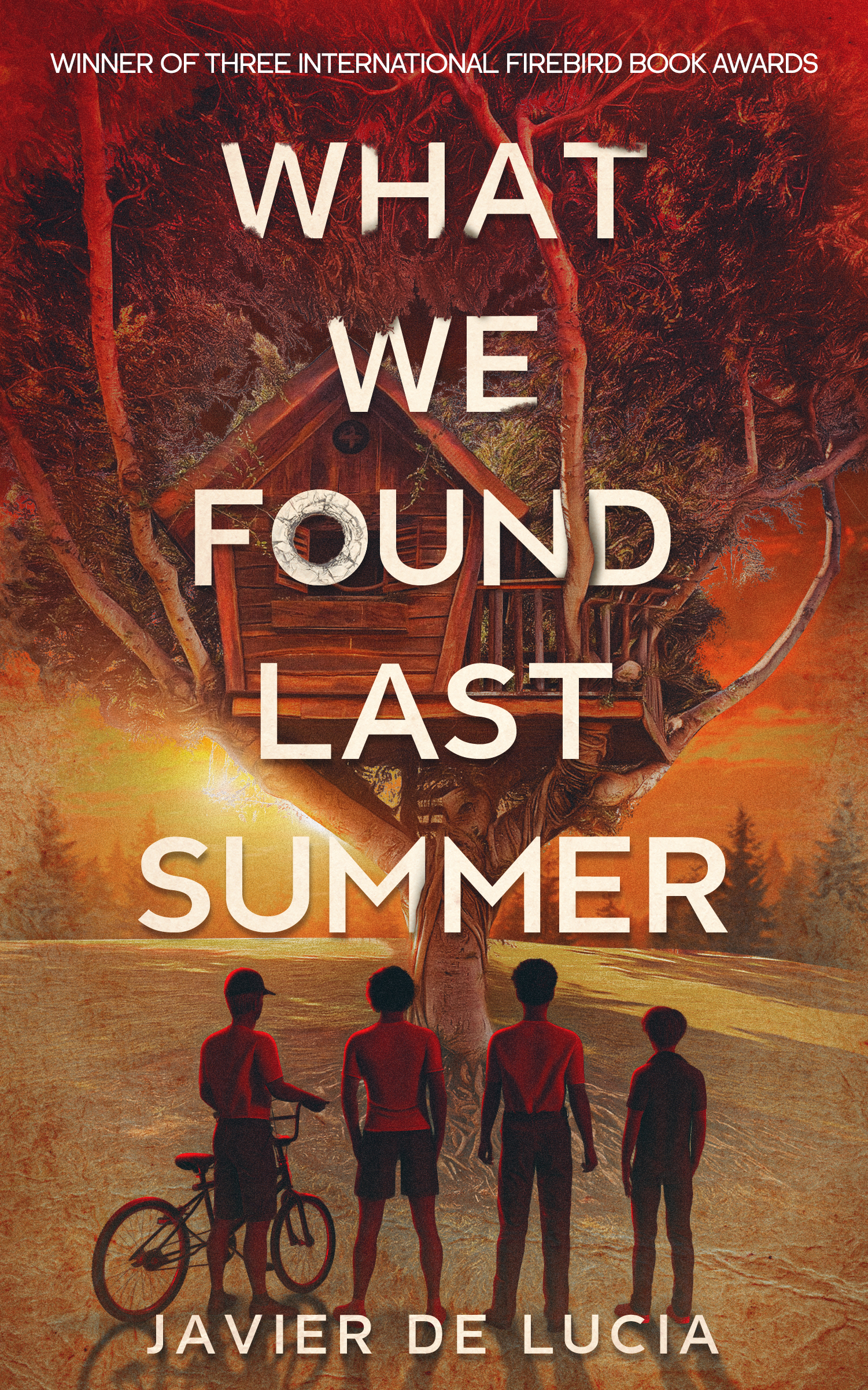
An abandoned treehouse ought to offer nothing more dangerous than loose boards. For Calvin and Derek, two twelve-year-olds spending summer in suburban Connecticut, it conceals money belonging to the Mob. Javier De Lucia turns that discovery into a coming-of-age crime story in which an ordinary neighbourhood becomes a place children can no longer take for granted.
The premise pairs the freedoms of a 1980s childhood with consequences beyond its young characters’ understanding. Calvin’s caution and Derek’s willingness to push boundaries give the friendship a useful tension: loyalty can encourage courage, but it can also make a bad decision harder to resist. Friends Ravi and Ryan broaden that childhood world beyond the central pair.
Readers’ Favorite highlights the suspense in everyday encounters, while De Lucia’s Literary Titan interview describes a deliberate shift from character-based humour to urgent danger. That combination makes this a promising choice for readers drawn to nostalgic adventures with a darker edge. Despite the young protagonists, the publisher warns of violence and adult language. Approach it as a short suburban crime tale about friendship and responsibility, rather than a gentle summer reminiscence.
Sources and retailer details (184 words)
Full review
A bag of money is an efficient way of turning a childhood adventure into an adult problem. In What We Found Last Summer, Javier De Lucia places that familiar temptation inside an abandoned treehouse, where twelve-year-olds Calvin and Derek discover that the woods beyond their Connecticut neighbourhood hold more than materials for their own hideaway.
The setting gives the premise its emotional leverage. Bikes, treehouses and time away from adult supervision suggest independence; the criminal ownership of the money exposes the limits of that freedom. The boys can make choices, but they cannot control the world those choices bring into reach. The resulting contrast between ordinary summer routines and concealed danger is central to the appeal identified by reviewers at Readers’ Favorite.
Friendship matters as much as the crime hook. In his Literary Titan interview, De Lucia describes Derek as the friend who pushes forward and Calvin as the more hesitant conscience. It is a recognisable imbalance, lending the adventure a question more interesting than what the boys have found: how far should loyalty carry someone who suspects a mistake is being made?
This is not presented as an innocent escapade. The publisher explicitly flags violence and adult language, an important distinction for anyone choosing it because its protagonists are children. For readers comfortable with that darker register, the combination of nostalgic setting, moral uncertainty and compact suspense offers a distinctive route into a story about the lasting weight of small decisions.