The Small Ones
Published in Canada
Short review
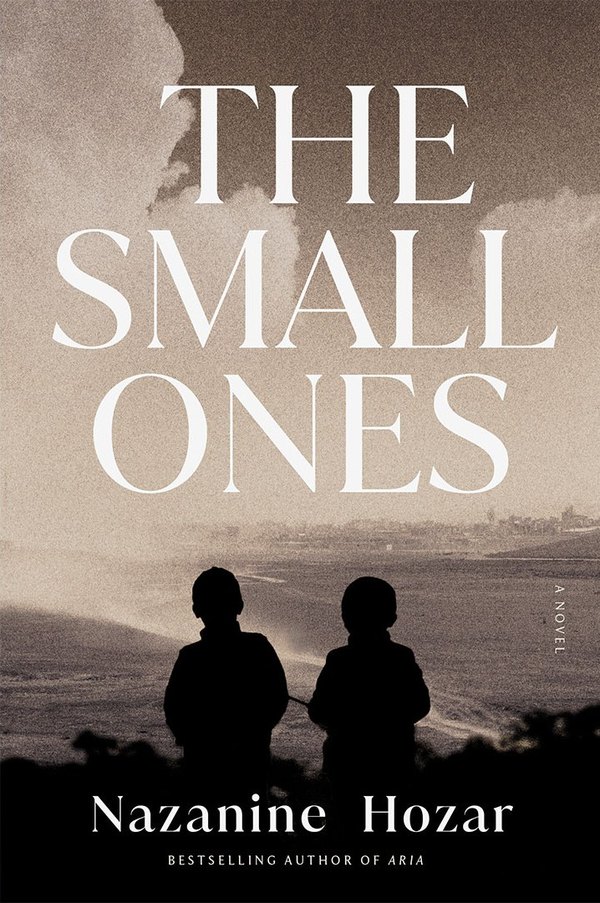
Nazanine Hozar's second novel is one of five books on the 2026 Giller Prize shortlist, with Canada's leading fiction prize being awarded in Toronto on the evening of November 16. Its subject is devastating: the child soldiers and martyrs sent to the front in the Iran-Iraq war of the 1980s.
The narrator, Amir, and his best friend Clay, who seems to be both a boy and a creature of myth, are among a ragtag group of boys pressed into the conflict. When they find a tiny girl, Layla, they form a makeshift family and begin a journey along the River Karun towards a freedom that will come at a cost.
Hozar grew up in Tehran during the war and told CBC Books she never forgot the propaganda images of child soldiers on television. The Giller jury praised the novel's deceptively simple, lyrical prose and intricate three-part structure. It is a hard read, part war story and part fable, but it is full of tenderness, and its questions about fathers, power and violence linger.
Sources and retailer details (173 words)
Coverage & sources
- Giller Prize: 2026 finalists (shortlist announced Oct 5 2026)
- Giller Prize: winner announced at the Nov 16 2026 ceremony
- CBC Books Bookends interview (Nov 9 2026)
- The Globe and Mail (Oct 2026): Meet the five novelists shortlisted for the 2026 Giller Prize
- Fantastic Fiction listing (publisher description with John Irving quote)
Full review
When Nazanine Hozar was a small child in Tehran in the 1980s, she saw television footage of boys only a little older than her marching off to the Iran-Iraq war. In an interview with CBC Books this month she said the images never left her. The Small Ones, her second novel after the acclaimed Aria, is the result, and it is on the five-book shortlist for the 2026 Giller Prize.
The novel follows Amir, its narrator, and his closest friend Clay, a boy who seems to belong half to this world and half to myth. They are part of a group of children drawn into a military insurgency along the border and taught that their sacrifice serves a higher purpose. When they come across Layla, a girl of about three, the boys become her protectors, and their journey along the ancient River Karun becomes a search for a way out.
Hozar told CBC that she wanted to explore fatherhood: within families, among those who claim leadership, and in the idea of God. She points out that in the Persian epic the Shahnameh it is fathers who kill sons, and that reversal shadows the book. The Giller jury described a three-part structure that shifts the question from what will happen to how these children arrived where they are.
John Irving called it masterfully written and harrowing, and it is. Yet the friendship, imagination and care the children show one another keep it from despair. The Giller winner is announced on November 16, and whatever the result, this is a novel worth finding.