Murdoku: 80 Murder Mystery Logic Puzzles
Short review (183 words)
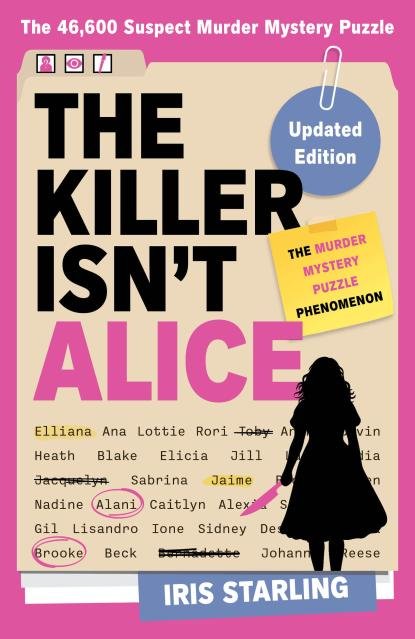
Murdoku is the book that turned murder-mystery logic puzzles into a chart force, and it is still climbing. It is now No. 5 across all books on Amazon UK and No. 13 on Amazon US, and it has spent 30 weeks on Publishers Weekly's trade paperback list, reaching No. 1 in late October. Its sequel and newer rivals such as The Killer Isn't Alice are charting alongside it.
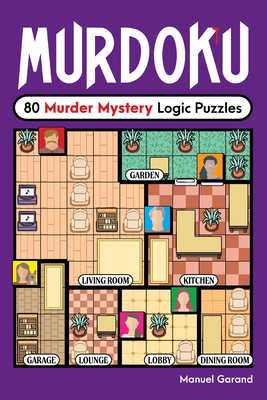
Each of the 80 puzzles is a small illustrated crime scene laid out on a grid. As in sudoku, every suspect must sit in exactly one row and one column, but the rooms, furniture and objects also carry clues. Place everyone correctly and the killer is revealed. Difficulty rises from gentle to fiendish.
It distils the most satisfying part of a detective story, the moment the pieces click, into a quarter of an hour, and it is screen-free and easy to share across generations. There is little narrative, and seasoned solvers may find the early puzzles easy. As an introduction to the trend, or a stocking filler for a crime fan, it remains the benchmark.
Chart & sources
- Amazon UK Books #5 overall (up from #7 on Nov 1), checked Nov 2 2026
- Amazon US Books #13 overall, checked Nov 2 2026
- Publishers Weekly Trade Paperback #3 (30 weeks; #1 on Oct 26 list), week ended Oct 24 2026 (PW Nov 2 2026 list)
- Publishers Weekly Top 10 Overall Bestsellers #9, week of Oct 26 2026 (Circana BookScan)
- The Bookseller (Oct 27 2026): UK Non-Fiction Paperback #2, 6,868 copies
Full review (267 words)
Murdoku is the book that turned murder-mystery logic puzzles from a novelty into a chart force, and a week after our launch edition it is still climbing. It has risen to No. 5 across all books on Amazon UK, it is No. 13 on Amazon US, and it has spent 30 weeks on Publishers Weekly's trade paperback list, where it reached No. 1 in late October. Its sequel, Back in Time, and newer rivals such as The Killer Isn't Alice are now charting alongside it, which tells you how big this corner of the market has become.
The concept is elegant. Each of the 80 puzzles is a small illustrated crime scene laid out on a grid. As in sudoku, every suspect must sit in exactly one row and one column, but the rooms, furniture and objects in the illustration also carry clues. Place everyone correctly and the killer is revealed. Difficulty rises from gentle to fiendish, so it works for casual solvers and seasoned puzzlers alike.
What makes it so appealing is the way it distils the most satisfying part of a detective story, the moment the pieces click, into a quarter of an hour. It is screen-free, easy to share and works across generations, which is why it is thriving as Christmas approaches.
Readers looking for narrative will find little here: the crimes are scenarios, not stories. And committed logic fans may find the early puzzles too easy. But as an introduction to the trend, or a stocking filler for a crime fan, it remains the benchmark the rest of the genre is measured against.