London Falling
Short review (170 words)
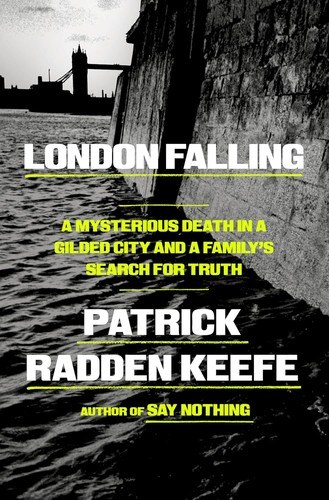
Patrick Radden Keefe, the author of Say Nothing and Empire of Pain, is one of the finest narrative journalists working today, and London Falling is still near the top of the US true crime chart months after release. It begins with a single death: in November 2019, nineteen-year-old Zac Brettler fell from a luxury riverside apartment building into the Thames. The official response was brief, but his parents could not accept it and began investigating on their own.
What they uncovered was a double life. Zac had been presenting himself to new acquaintances as the son of a wealthy Russian, and that invented identity had drawn him into a world of fixers, hangers-on and people with reasons to keep secrets. Keefe follows the family's search with deep compassion while widening the lens to examine London's role as a haven for dirty money and the failings of the police. It is gripping, humane and quietly furious, a book that reads like a thriller but lands as a serious piece of reporting.
Chart & sources
Full review (270 words)
Patrick Radden Keefe, the author of Say Nothing and Empire of Pain, is one of the finest narrative journalists working today, and London Falling is still near the top of the US true crime chart months after release. The book begins with a single death. In November 2019, nineteen-year-old Zac Brettler fell from a luxury riverside apartment building into the Thames. The official response was quick to treat it as a tragedy rather than a crime, but his parents, Matthew and Rachelle, could not accept that explanation.
Grieving and frustrated, they began to investigate on their own, and what they found was startling. Zac had been leading a double life, presenting himself to new acquaintances under an invented identity as the son of a wealthy Russian. That persona had pulled him into a murky world of fixers, would-be power brokers and people with good reasons to keep their affairs hidden.
Keefe tells the family's story with great compassion, giving full weight to their grief and determination, but he also widens the lens. The book becomes a portrait of modern London as a magnet for questionable fortunes, where luxury property and opaque wealth make it easy for some people to slip beyond scrutiny. He is unsparing about the shortcomings of the police response and the institutional reluctance to ask hard questions.
As ever, Keefe's research is meticulous and his prose is elegant without showing off. The result reads with the momentum of a thriller while carrying the weight of serious investigative reporting. Gripping, humane and quietly angry, it is essential reading for true crime fans who want more than a puzzle.