Theo of Golden
Short review
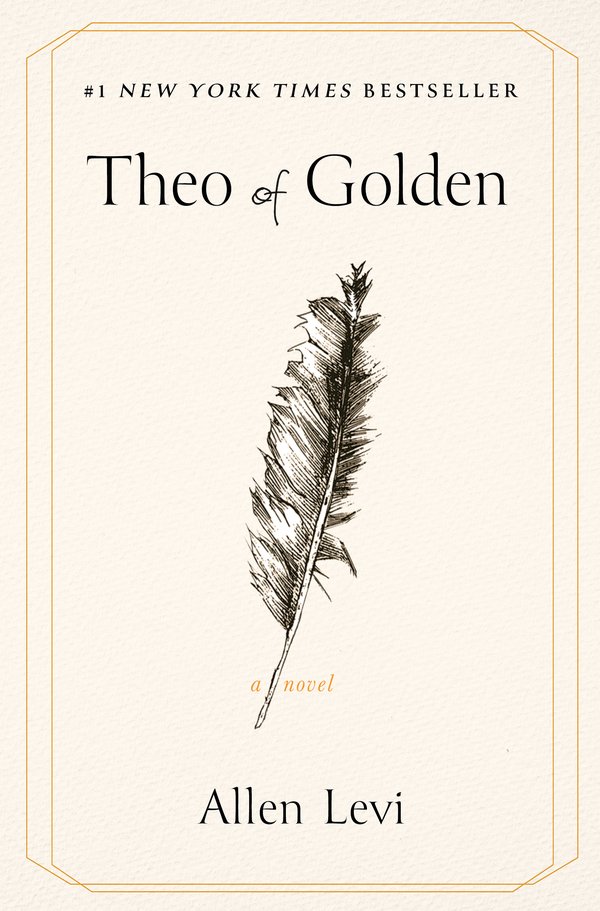
Theo of Golden is the publishing story of the past two years. Allen Levi's novel first appeared in 2023, spread by recommendation, and was taken on by Simon & Schuster's Atria in autumn 2025. A year later it is still No. 5 across all books on Amazon US and No. 1 in literary fiction.
A stranger named Theo arrives in the small Southern city of Golden. At the local coffeehouse, pencil portraits of townspeople hang on the walls, and Theo starts buying them, giving each to the person it depicts and asking only for their story in return. Portrait by portrait, regrets surface and ordinary lives shift.
Levi treats attention as a moral act: what it means to see someone properly, and how rarely it happens. A chain of encounters rather than a driving plot builds a quiet mosaic of a community, and the effect is unexpectedly moving. Readers who want tension may find its gentleness too earnest. For book clubs, and anyone wanting a story about kindness that avoids sentimentality, it is an easy recommendation.
Sources and retailer details (175 words)
Full review
Theo of Golden is the publishing story of the past two years. Allen Levi's novel first appeared in 2023, spread by recommendation, and was taken on by Simon & Schuster's Atria in autumn 2025. The publisher reported more than a million copies sold in the US by March 2026. A year after the Atria edition appeared, it is still No. 5 across all books on Amazon US and No. 1 in literary fiction.
The premise is disarmingly simple. A stranger named Theo arrives in the small Southern city of Golden. At the local coffeehouse, pencil portraits of townspeople hang on the walls, and Theo begins buying them one at a time, giving each portrait to the person it depicts. In return he asks only for their story. Portrait by portrait, regrets surface, secrets are shared and ordinary lives shift.
The book's power lies in its patience. Levi is interested in attention as a moral act: what it means to see someone properly, and how rarely it happens. The structure, a chain of encounters rather than a driving plot, lets him build a quiet mosaic of a community, and the cumulative effect is unexpectedly moving.
It will not be for everyone. Readers who want conflict, irony or narrative tension may find its gentleness too earnest, and its warmth is unapologetic. But in a market dominated by thrillers and high-concept fantasy, its success says something hopeful about what readers are hungry for. For book clubs, and for anyone in need of a story about kindness that does not feel saccharine, it remains an easy recommendation.