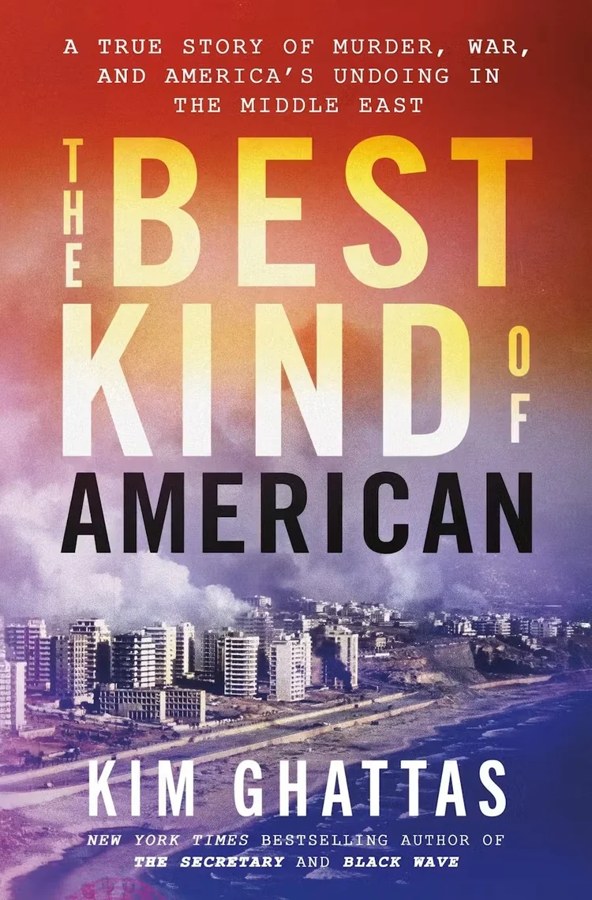
The Best Kind of American
Short review
Kim Ghattas, the Beirut-born journalist behind Black Wave, turns a cold case into a sweeping history in The Best Kind of American. On 18 January 1984, Malcolm Kerr, the president of the American University of Beirut, was shot dead outside his office. He was a respected scholar of the Arab world who loved Lebanon, and his killing was never formally investigated or brought to justice.
Ghattas reconstructs Kerr's life and the circumstances of his death while following his family's long effort to understand what happened. Along the way she traces how Lebanon's civil war became a stage for wider conflicts and how the hostility between the United States, Iran and Israel took shape in those years. It is a book about a murder, but also about memory, loss and the people caught between great powers. Ghattas writes with clarity and personal feeling, having grown up in the city during the war. Readers who enjoy true crime with real historical depth will find this both moving and illuminating.
Sources and retailer details (167 words)
Full review
Kim Ghattas, the Beirut-born journalist behind Black Wave, turns a decades-old cold case into a sweeping and personal history in The Best Kind of American. On 18 January 1984, Malcolm Kerr, the president of the American University of Beirut, was shot dead in a corridor outside his office. Kerr was a respected scholar of the Arab world who had grown up partly in Lebanon and loved it deeply, and his killing was never formally investigated or brought to justice.
Ghattas reconstructs Kerr's life and the circumstances of his death with patience and care. She follows his family, including a son who would later become famous in American sport, through their long struggle to learn who was responsible and why, and to come to terms with how little official interest there was in finding out.
The book's scope is much wider than a single crime. Ghattas traces how Lebanon's civil war became a stage on which wider regional and global rivalries played out, and how the enduring hostility between the United States, Iran and Israel took shape in that period. She shows how one man's death sat at the intersection of those forces, and how the consequences continue to be felt.
Having grown up in Beirut during the war herself, Ghattas writes with authority and emotion but never loses her journalistic discipline. The narrative is clear and well paced, guiding readers through complex politics without overwhelming them. For anyone who likes true crime with genuine historical depth, this is a moving and illuminating account of loss, memory and the people caught between great powers.