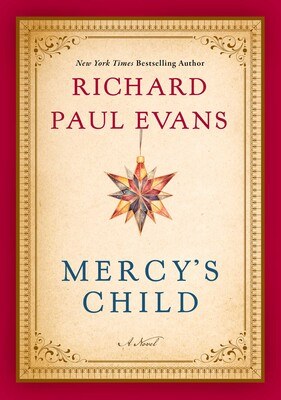
Mercy's Child
Short review
Richard Paul Evans, best known for The Christmas Box, has a loyal readership for heartfelt stories, and Mercy's Child went straight into the hardcover bestseller top twenty in its first week. The novel is set in 1874 and follows Etta Wheeler, a young woman from upstate New York who moves to Gilded Age Manhattan. Working among the tenements of Hell's Kitchen, she encounters a little girl suffering terrible abuse and discovers that the law offers almost no protection to children.
Etta's determination to help sets her against powerful institutions and the assumptions of an entire society. Evans draws on a real nineteenth-century case that helped spark the modern child-protection movement, and the historical setting, from crowded tenements to grand mansions, is sharply drawn. The subject matter is painful, but the book is ultimately about compassion and the difference one stubborn person can make. It is written in a clear, accessible style, making it an easy recommendation for readers who like their historical fiction hopeful and rooted in true events.
Sources and retailer details (169 words)
Full review
Richard Paul Evans, best known for The Christmas Box, has a loyal readership for heartfelt stories, and Mercy's Child went straight into the hardcover fiction top twenty in its first week on sale. The novel is set in 1874 and follows Etta Wheeler, a young woman from upstate New York who moves to Manhattan at the height of the Gilded Age.
Working among the overcrowded tenements of Hell's Kitchen, Etta encounters a little girl who is being cruelly mistreated, and she is horrified to learn that the law of the day offers almost nothing to protect children from the adults responsible for them. Refusing to look away, she begins knocking on doors that would rather stay shut, and soon finds herself challenging powerful institutions and the comfortable assumptions of an entire society.
Evans draws on a real nineteenth-century case that helped spark the modern child-protection movement in the United States, and he uses the contrast between the city's grinding poverty and its glittering wealth to strong effect. The subject matter is painful at times, and readers sensitive to depictions of child abuse should be aware of it, though Evans handles those scenes with restraint. The emphasis is firmly on courage, compassion and the difference that one determined person can make.
The prose is clear and accessible, and the pace makes it a quick read despite its weighty theme. It is an easy recommendation for readers who enjoy hopeful, character-led historical fiction grounded in true events, and a natural choice for a winter book club.