May We Feed the King
Published in the United Kingdom
Short review
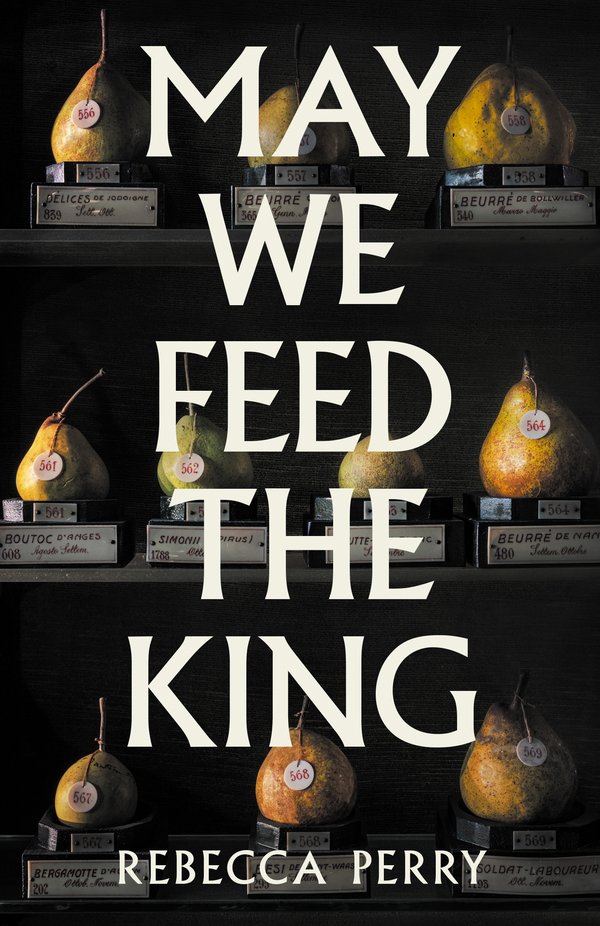
Poet Rebecca Perry's debut novel has had a remarkable year, reaching the 2026 Booker Prize shortlist and winning the Waterstones Debut Fiction Prize. It is a playful, unusual book that blends a contemporary story with a half-glimpsed medieval past.
In the present, an unnamed curator is hired to dress the rooms of an old palace for visitors, arranging replica feasts down to the last pomegranate. Working with the palace archivist, the curator becomes absorbed by the brief reign of a forgotten king who never wanted the crown. Third in line, he came to the throne after the deaths of his brothers and showed little appetite for power, which soon set whispers moving through the court.
Perry tells the king's story in fragments, through rooms seen from doorways and conversations half overheard, so the reader becomes a kind of ghost wandering the palace. The detail is lush and precise, while the larger facts are deliberately withheld. Some readers will find that frustrating; others will be enchanted. For those who enjoy literary puzzles about history and storytelling, it is a rich and original treat.
Sources and retailer details (182 words)
Full review
May We Feed the King is the first novel from Rebecca Perry, a poet previously shortlisted for the T. S. Eliot Prize, and it has become one of the literary stories of 2026: shortlisted for the Booker Prize, winner of the Waterstones Debut Fiction Prize and, according to its publisher, a Sunday Times bestseller. It is also one of the most unusual historical novels in recent memory.
The book moves between two worlds. In the present day, an unnamed curator arrives at a historic palace to create the period room displays that visitors walk through, sourcing historically accurate food and objects with obsessive care. In the archive, the curator encounters the record of a short-lived medieval king, a reluctant ruler who inherited the throne after both his older brothers died and who seemed to want nothing to do with power. As doubts about his fitness to rule grow at court, the idea takes hold that someone else might rule in his place.
Perry refuses the usual comforts of the genre. Names are withheld, motives are obscured, and we see the court in glimpses: through windows, from thresholds, in overheard fragments. At the same time the physical detail is extraordinarily vivid, from banquet dishes to fabrics and light. The effect is of standing in a beautifully staged room, trying to imagine the lives that once filled it.
That ambiguity will not suit every reader, and anyone seeking a conventional royal drama should look elsewhere. But as a meditation on what history can and cannot tell us, it is clever, sensuous and haunting.