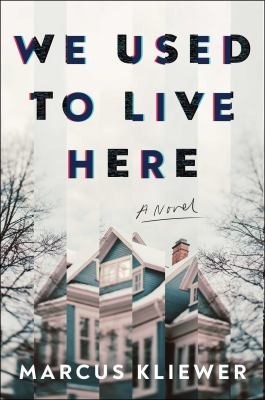
We Used to Live Here
Short review
Marcus Kliewer's debut has quietly become one of the most reliable horror sellers of recent years, and it is still sitting in the US top dozen this autumn. The setup is beautifully simple. Charlie and her partner Eve have bought a fixer-upper, hoping it will be the fresh start they need. One afternoon a family knocks on the door: they used to live there, they explain, and would love a quick look around.
Saying yes seems harmless. What happens next is best discovered without warning, but Kliewer is superb at building dread from small details, polite conversations that go on too long and the uneasy feeling that something in the house has shifted. The short chapters and puzzle-box structure make it compulsive, and the book plays cleverly with what Charlie can and cannot trust. It is less about monsters than about hospitality, boundaries and the fear of losing control of your own home. A perfect choice for readers who like their horror tight, unsettling and impossible to put down after dark.
Sources and retailer details (171 words)
Full review
Marcus Kliewer's debut has quietly become one of the most dependable horror sellers of recent years, and it is still sitting in the US top dozen this autumn. Its premise is beautifully simple. Charlie and her partner Eve have bought a rambling fixer-upper, hoping it will give them a fresh start. One day a family appears on the doorstep: they used to live in the house, they say, and would love a quick look around for old times' sake.
Agreeing seems like the decent thing to do. What follows is best discovered without any warning, so we will only say that the visit does not go as planned and that Charlie soon struggles to understand what is happening in her own home. Kliewer is excellent at building dread out of tiny details: a conversation that lasts a beat too long, a door that is not where it should be, a guest who seems far too comfortable.
The short chapters and puzzle-like structure make the book hard to put down, and Kliewer plays cleverly with Charlie's uncertainty so that the reader is never quite sure who or what to trust. Underneath the scares lie real questions about relationships, boundaries and the vulnerability of opening your door to strangers. It is not a gory novel; its power comes from tension and disorientation. For anyone who enjoyed the slow-burn chills of Shirley Jackson or the modern unease of Riley Sager, this is a tight, unsettling read best saved for a dark evening.