Murdle: Solve 100 Devilishly Devious Murder Mystery Logic Puzzles
Short review
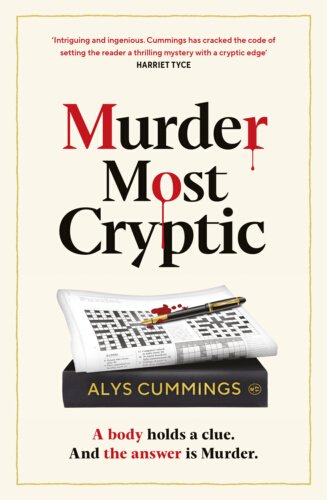
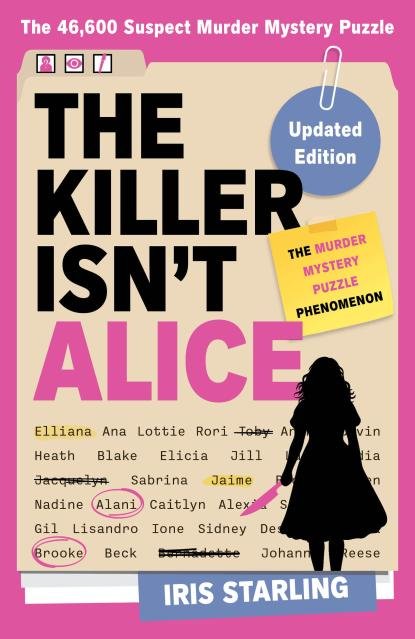
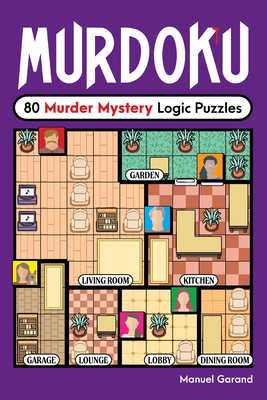
Every boom needs an originator, and in the murder-puzzle craze that is G. T. Karber's Murdle. First published in 2023, it is enjoying a remarkable late surge: No. 10 across all books on Amazon US and No. 17 on Amazon UK when we checked. Its new spin-off, Murdle Heist, has also joined Publishers Weekly's trade paperback list.
The format crosses Cluedo with a classic logic grid. Each case gives you suspects, weapons and locations, plus a handful of clues and statements, and you work out who did it, with what and where, by elimination. A recurring cast of eccentric characters and a running detective persona make it read almost like a collection of tiny interactive mysteries.
Early cases teach the method gently; later ones bring lying suspects and layered deductions that demand real concentration, while the puns keep the tone light. Readers who find logic grids tedious will not be converted, and a hundred cases on one engine can feel repetitive in a single sitting. Taken a case at a time, it remains the best entry point to the genre.
Sources and retailer details (180 words)
Chart & sources
- Amazon UK Books #17 overall (Souvenir Press edition), checked Nov 2 2026
- Amazon US Books #10 overall (St. Martin's Griffin edition, Murdle: Volume 1), checked Nov 2 2026
- Publishers Weekly Trade Paperback: spin-off Murdle Heist #21, week ended Oct 24 2026 (PW Nov 2 2026 list)
- Publisher page (Profile Books)
Full review
Every boom needs an originator, and in the murder-puzzle craze that is G. T. Karber's Murdle. First published in 2023, it is enjoying a remarkable late surge: No. 10 across all books on Amazon US for the St. Martin's Griffin edition and No. 17 on Amazon UK for the Souvenir Press edition when we checked. Karber's latest spin-off, Murdle Heist, has also joined Publishers Weekly's trade paperback list. Few puzzle books manage that kind of longevity, let alone a second wind three years after release.
The format crosses Cluedo with a classic logic grid. Each case gives you a cast of suspects, a set of weapons and locations, and a handful of clues and statements. You work out who did it, with what and where, by elimination, much as a golden-age detective would. Karber wraps the logic in a recurring cast of eccentric characters and a running detective persona, so the book reads almost like a collection of very short, very interactive mysteries.
The difficulty curve is well judged. Early cases teach the method gently, and later ones introduce lying suspects and layered deductions that demand real concentration. The humour, all puns and absurd names, keeps the tone light even when the logic gets knotty.
Readers who find logic grids tedious will not be converted, and a hundred cases built on the same engine can feel repetitive if solved in one sitting. Taken a case or two at a time, though, it is a delight. It remains the best entry point to the genre, and its renewed success suggests the boom is broadening rather than fading.