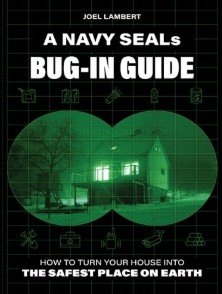
A Navy SEAL's Bug-In Guide: How to Turn Your House Into the Safest Place on Earth
Short review
One of the more striking features of Amazon's US chart this week is how much space it gives to preparedness. Survival and self-reliance guides hold four places in the top 20, and the highest, at No. 2 across all books, is this practical manual from Joel Lambert, described by its publisher as a former Navy SEAL and BUD/S instructor.
Rather than the bug-out bag and wilderness escape that dominate survival culture, Lambert argues for making your own home the safest place to ride out a crisis. The book covers emergency preparedness, home security, essential supplies and practical tactics, and its focus on the home makes it a natural fit for ordinary households, not only committed preppers.
That framing is probably the key to its success, because staying put is the realistic option for most families during a storm or power cut. Like any guide in this field, it complements official local emergency advice rather than replacing it. Published two years ago by the small independent house Global Brother, its climb says as much about the national mood as about the book itself.
Sources and retailer details (183 words)
Full review
One of the more striking features of Amazon's US chart this week is how much space it gives to preparedness. Survival and self-reliance guides hold four places in the top 20, and the highest of them, at No. 2 across all books, is this practical manual from Joel Lambert. According to its publisher, Lambert is a former Navy SEAL and BUD/S instructor.
The premise is right there in the title. Rather than the bug-out bag and wilderness escape that dominate survival culture, Lambert argues for making your own home the safest place to ride out a crisis. The book covers emergency preparedness, home security, essential supplies and practical tactics, and its focus on the home makes it a natural fit for ordinary households, not only committed preppers.
That framing is probably the key to its success. Staying put is the realistic option for most families during a storm, power cut or other emergency, and a book that treats a house and its contents as the first line of defence is more useful to most readers than advice about surviving in the woods. A military background gives the advice authority, though, like any guide in this field, it is a starting point rather than a substitute for official local emergency guidance.
It comes from Global Brother, a small independent publisher, and it is two years old, so its climb to the top of the chart says as much about the national mood as about the book itself. Read it as a sensible, practical checklist and it should earn its place on the shelf. Treat it as a cure for anxiety and it may disappoint.