The Jasmine Murders
Published in India
Short review
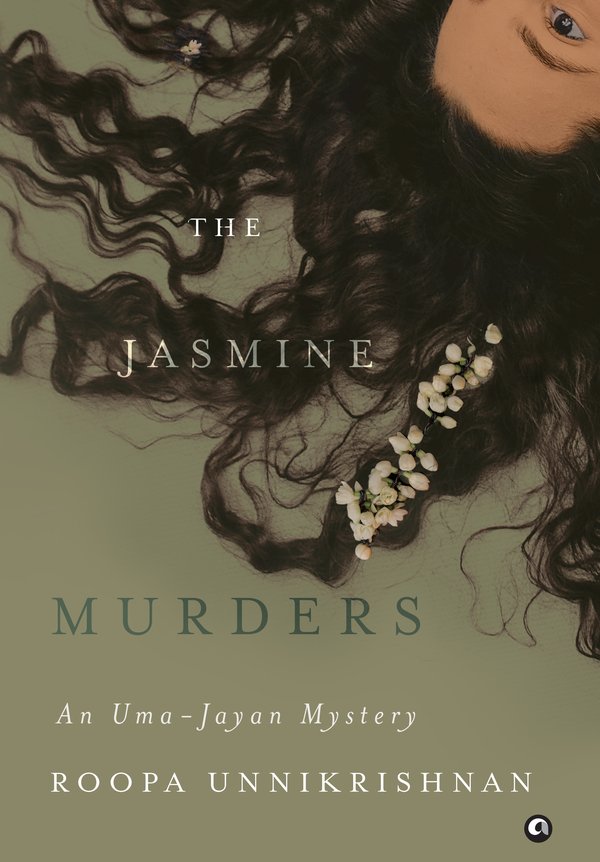
Roopa Unnikrishnan's debut, the first Uma-Jayan Mystery, is a charming period crime novel set in a corner of India that rarely appears in fiction. It is the early 1960s in Manamadurai, a small town in Tamil Nadu, where Jayan has just arrived as the new Assistant Superintendent of Police, accompanied by Uma, his bride of only forty days.
Both are Malayalis and outsiders in the town, still getting to know the place and each other, when a series of crimes disturbs the local calm. Jayan must investigate amid communal tensions and gossip, while the curious, observant Uma quietly begins to help, noticing things that others overlook.
The Hindu's review highlighted the novel's period atmosphere, and it is a pleasure to spend time in this world of humid streets, temple towns and colonial-era bureaucracy. Unnikrishnan has said the couple were partly inspired by her own parents, which gives the central marriage a warm, believable texture. The mystery itself builds steadily towards a dramatic climax on the coast. It will delight readers who enjoy historical sleuthing duos and crime fiction with a strong sense of place.
Sources and retailer details (184 words)
Full review
The Jasmine Murders, published by Aleph Book Company in New Delhi and reviewed in The Hindu in March, introduces a new crime-solving partnership in Indian fiction. Roopa Unnikrishnan, making her debut as a novelist, sets the story in the early 1960s in Manamadurai, a provincial town in southern Tamil Nadu.
Jayan, a young officer, has taken up his post as Assistant Superintendent of Police, and he brings with him his new wife, Uma, whom he married just forty days earlier. Both are from Kerala, so they are newcomers in more ways than one: learning the language and customs of the town while still discovering each other. When a string of crimes unsettles the community, Jayan is under pressure to find answers, and Uma, sharp-eyed and quietly determined, becomes an unofficial partner in the investigation.
Much of the book's appeal lies in its setting. Unnikrishnan evokes the heat, the scent of jasmine, the social hierarchies and the fault lines that run beneath small-town life, and she captures a newly independent India still shaped by colonial institutions. The author has said the couple were partly inspired by her parents, and the gradual deepening of their marriage is one of the novel's quiet pleasures.
The plotting is solid rather than flashy, and readers expecting relentless twists may find the pace gentle. But the story builds to a vivid finale on the coast near Dhanushkodi, and the characters are engaging enough that a series feels very welcome. Recommended for fans of historical mysteries with a strong sense of place.