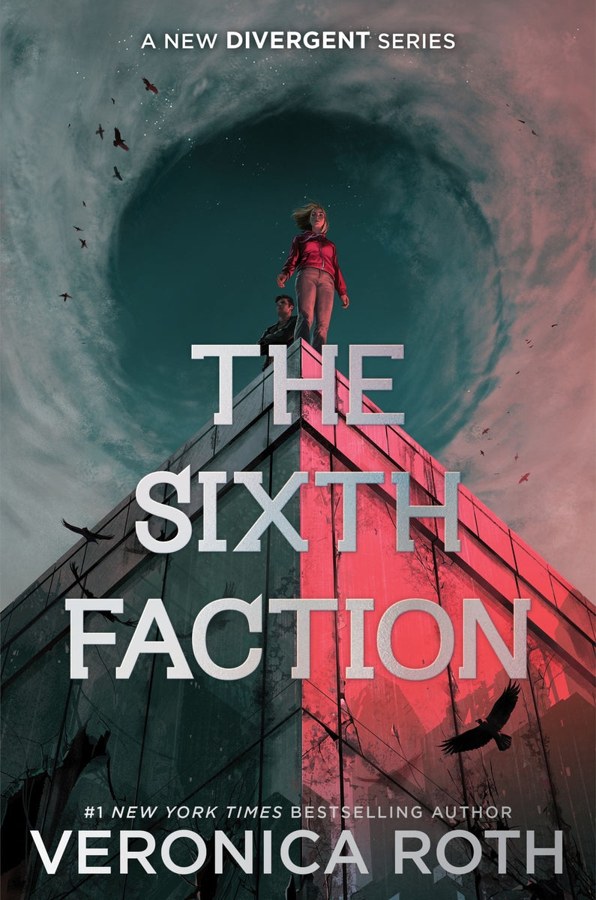
The Sixth Faction
Short review
Veronica Roth returns to the world that made her famous with The Sixth Faction, and it is easily one of the most talked-about young adult releases of the autumn. Rather than a straightforward sequel or prequel, this is an alternate take on the Divergent universe. Beatrice Prior is preparing for the Choosing Ceremony, ready to leave her family's faction and join Dauntless, when a tragedy at the ceremony itself changes everything.
Instead of the path readers remember, Beatrice is drawn toward an underground rebellion and an intriguing boy known only by a number. Roth clearly enjoys playing with expectations: familiar places and faces appear in new configurations, and longtime fans will spend half the book spotting the differences. Yet newcomers can follow it without having read the originals. The action is brisk, the moral questions about conformity and choice feel as sharp as ever, and the cliffhanger ending sets up the second half of a planned duology. A must for nostalgic fans and a fine entry point for new ones.
Sources and retailer details (170 words)
Full review
Veronica Roth returns to the world that made her famous with The Sixth Faction, easily one of the most talked-about young adult releases of the autumn. Rather than a conventional sequel or prequel, the novel offers an alternate version of the Divergent universe, asking what might have happened if a single moment had gone differently.
Beatrice Prior is preparing for the Choosing Ceremony, where every sixteen-year-old in her city must commit to one of the factions that structure society. She is ready to leave her family's way of life behind and join the daring Dauntless. Then a tragedy at the ceremony itself sends her life down a completely different road. Instead of the path readers remember, Beatrice finds herself pulled toward an underground rebellion and an intriguing boy known only by a number.
Roth clearly relishes playing with expectations. Familiar locations and characters appear in new arrangements, loyalties shift in surprising directions, and longtime fans will enjoy spotting where this version diverges from the one they know. Crucially, though, the book stands on its own, so newcomers can follow it without having read the original trilogy.
The action is brisk, the world feels lived-in, and the questions at its heart, about conformity, identity and the cost of choosing who you are, remain as pointed as they were more than a decade ago. The book is the first half of a planned duology, with the conclusion expected next year, so be prepared for an ending that leaves you wanting more. A treat for nostalgic fans and an excellent entry point for a new generation.